Chapter 1 — Projects
My name is Ayk. I design and build products: from the problem to the shipped code.
My career started with architecture. Then websites. Now products. Each step was the same job: take a pile of constraints and turn them into something people use.
- Designed the core UX of Prezi's new AI product
- Built One Who Learns solo: web + iOS, live on the App Store
- A dozen websites that bring businesses organic traffic and leads
- Architecture projects built in China and Europe
Selected product and design work
How does a legacy product compete in the AI era?
The story of the new AI product I designed at Prezi. Core UX, monetization, and the design system behind it.
We built the product that lets Prezi ship fast again and hold its ground in a brutal market.
View case study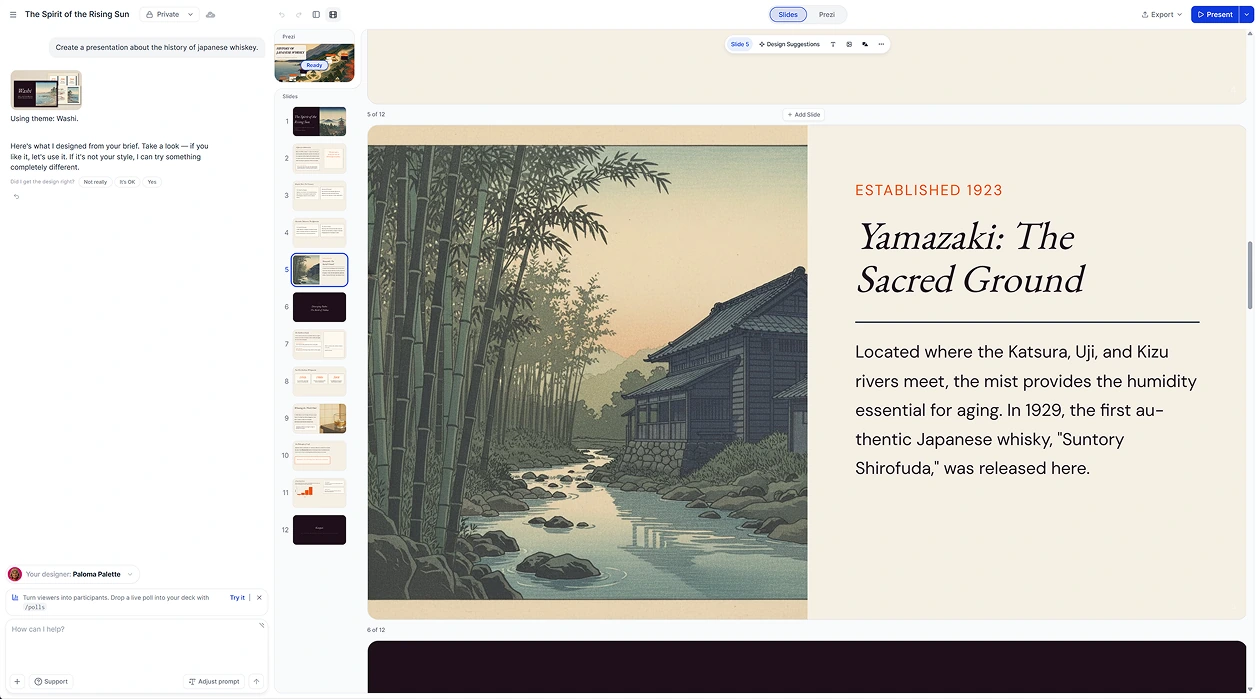
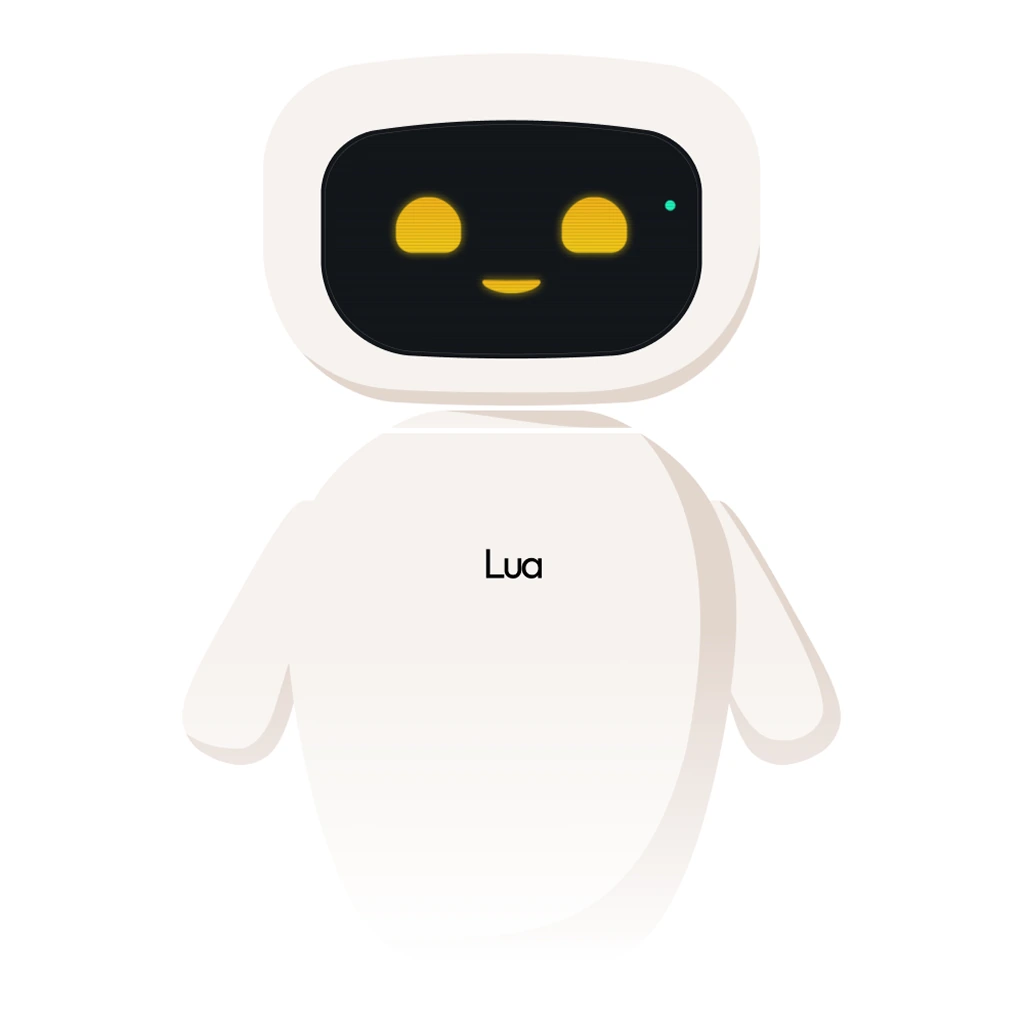
Can an AI companion help kids keep their natural curiosity?
A hardware product: industrial design, an animated face, and a parent dashboard.
Hardware for kids is a harder problem than the one I can solve now. The education work in One Who Learns feeds straight back into it.
Hayashi
A premium Japanese whiskey brand with a site that prevented sales. The new one doesn’t. Designed in Figma, built with Webflow.
View case study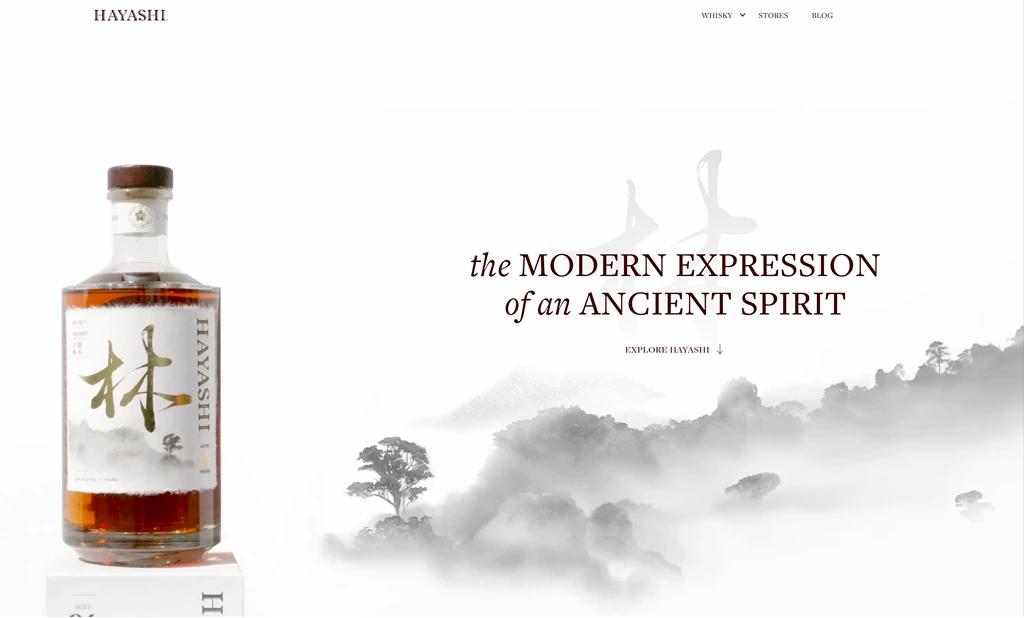
Can one person ship a real product with a team of AI agents, without shipping slop?
My own German learning app. Web and iOS, designed and built end to end.
Live on the App Store. Organic traffic compounding, signups growing.
View case study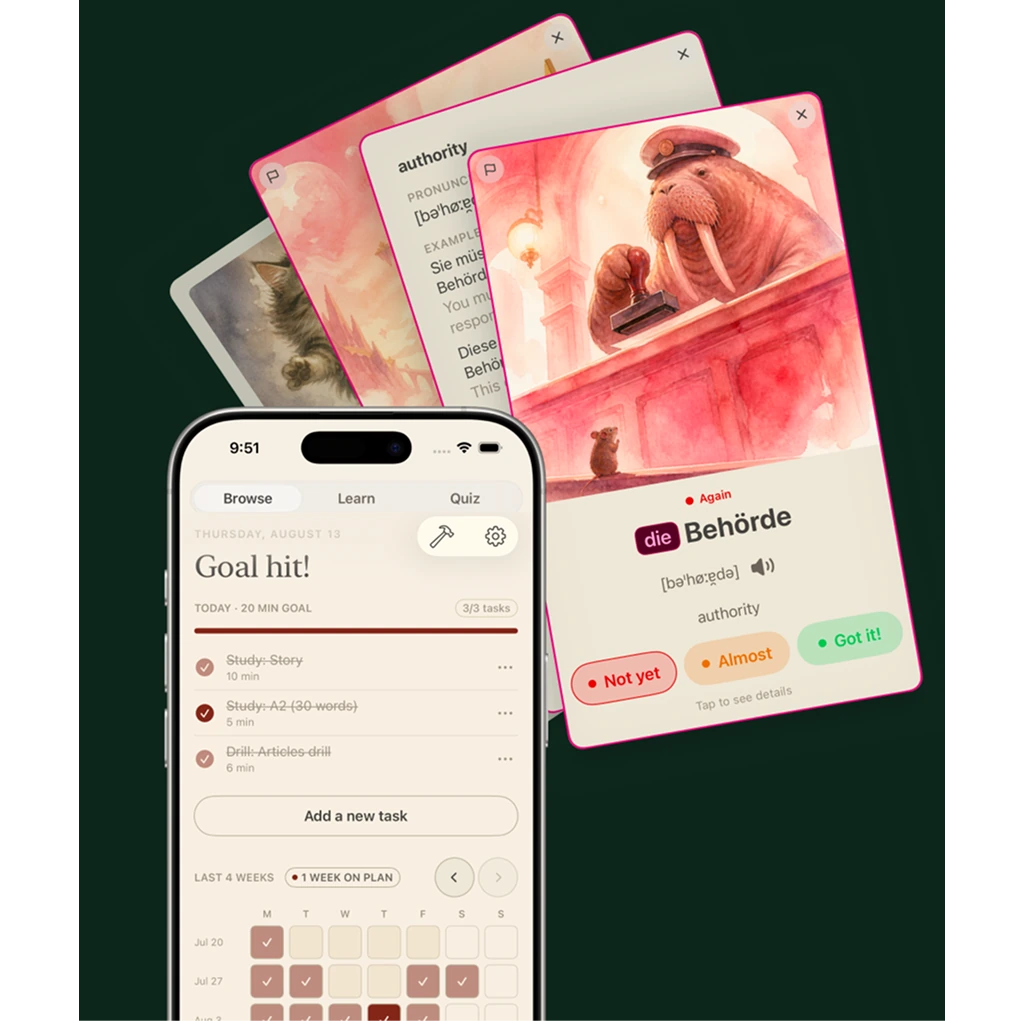
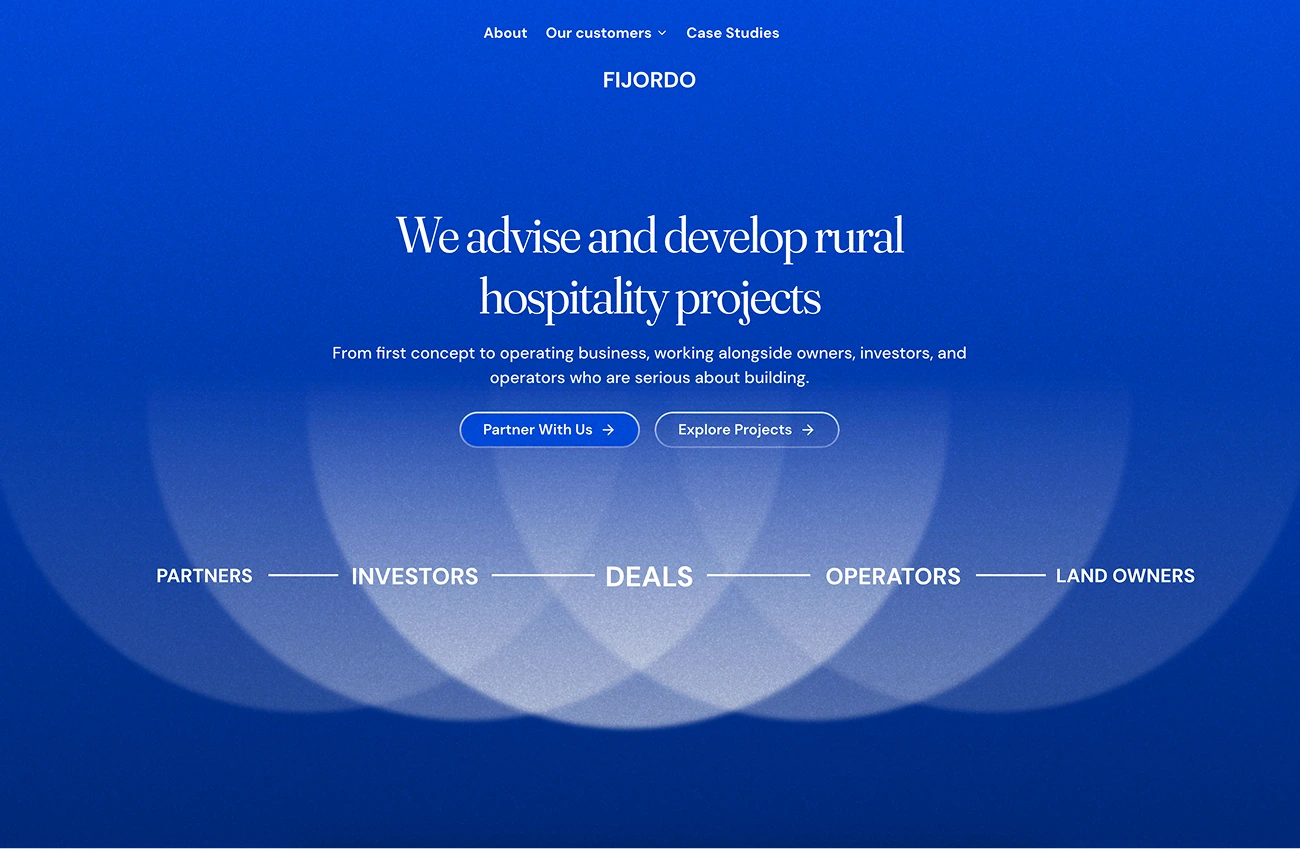
Fijordo
A new consulting firm needed trust before it had a track record. The website became that trust and helped close deals. Figma, built with Claude Code.
Other web design and development projects
Services, courses and a shop in one store.
A new dispensary in Fayetteville, WV.
Publishing system and WordPress migration for a high-volume food blog.
Marketing agency for indie games.
Marketing agency in Germany.
Car broker in Germany.
Gym in Berlin.
Muay Thai gym in Berlin.
Early portfolio piece.
Early portfolio piece and a tribute to a favourite artist.
Chapter 2 — Design thinking
Design Thinking
What the design is built on
I don't start with screens. I start with what is true. Every project begins with the same questions: what are we pursuing, what problem are we solving, for whom, and what do we actually know.
Design built on a hypothesis can be tested. Design built on opinion can only be argued about. The answers inform everything that follows: the UX flows, the UI, the form.
02 / Design Thinking
First Principles
I try to reduce product decisions to a small set of questions. Before interfaces, features or technology, these are the things I want to understand.
- 01 — Goals
- What are we pursuing? For a product, that means the business goals. Everything else hangs on this.
- 02 — Problem
- What are we solving? Is it an acute pain or a mild discomfort? A feature that solves nothing does nothing for the goals.
- 03 — Who
- Understanding the user means building something that matches their intent. Something they actually want.
06
Ayk Martirosyan
A Figma frame is an assumption.
AI and modern tools let me build the prototype and test it in real conditions.
- 04 — User Experience
- The user's path from A to B, as simple and enjoyable as possible. When it turns out complicated, the design process produced the wrong form.
- 05 — Evidence
- What data can we stand on? What verifies the assumptions we build new things on?
- 06 — Experiments
- Most experiments fail. The ones that work are gold and drive everything forward. Keep what works. Keep making new bets.
- 07 — Build
- A Figma frame is an assumption. AI and modern tools let me build the prototype and test it in real conditions, internally and with users, instead of debating it.
07
Chapter 3 — Experiences
Architecture (2009 to 2023)
Art school led to an architecture degree, and architecture became fourteen years of my life, with projects in China and Europe.
What I loved was the complexity. A project is hundreds of constraints that all want different things, and taking all of them and still making something interesting is the whole difference between good and bad architecture. Biocell Lab was meant to be an innovation center, not a box that ticks biohazard and fire rules, so we built the spatial composition around cell division, and every flow in the building follows it, floor by floor.
What it never gave me was a feedback loop. A building takes years, then it is done, and it waits decades for its redesign. What it taught me: read the 200-page brief, find the constraints that matter, bring them together in a creative way.
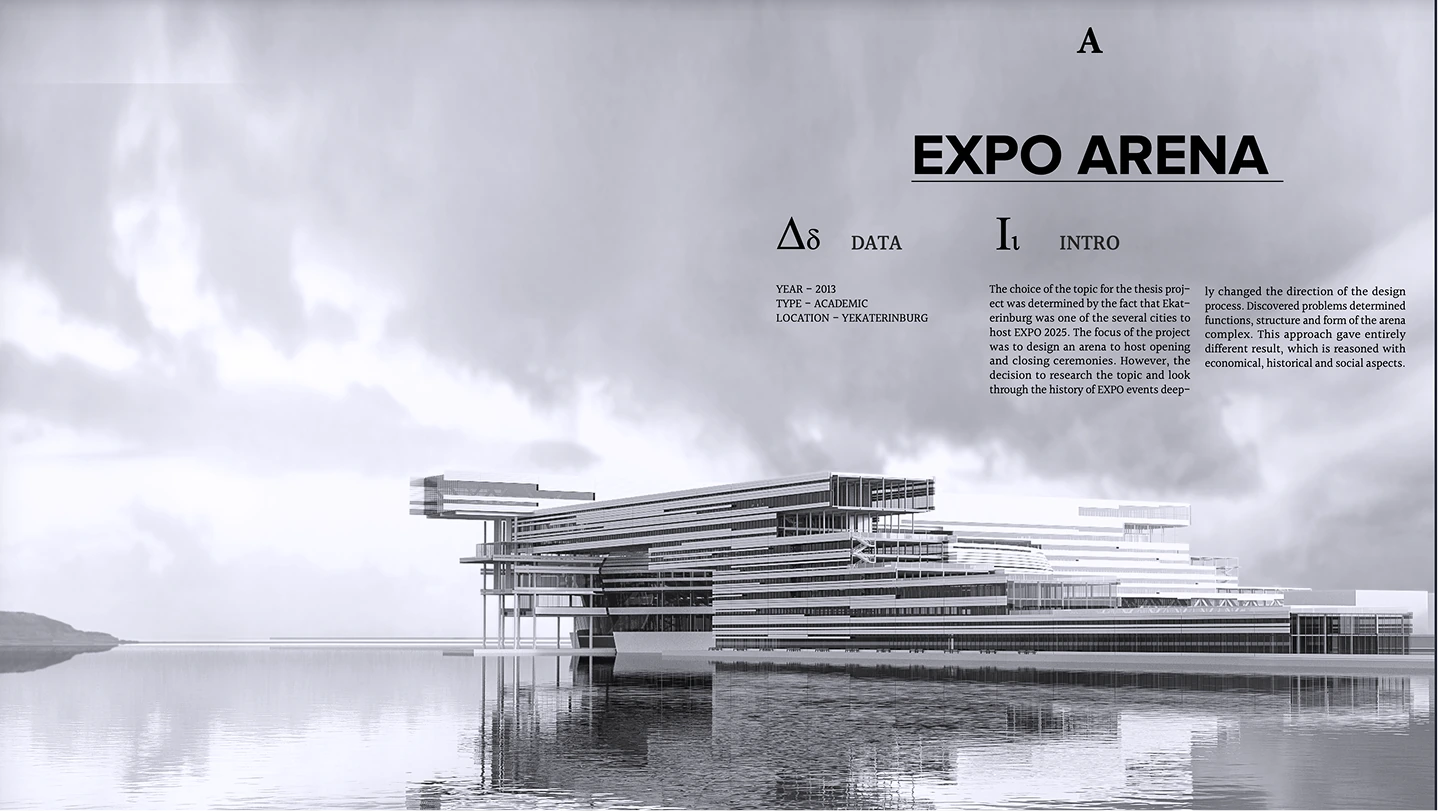
Expo 2014, Yekaterinburg
My Bachelor of Architecture diploma project: an expo arena proposal for Yekaterinburg.
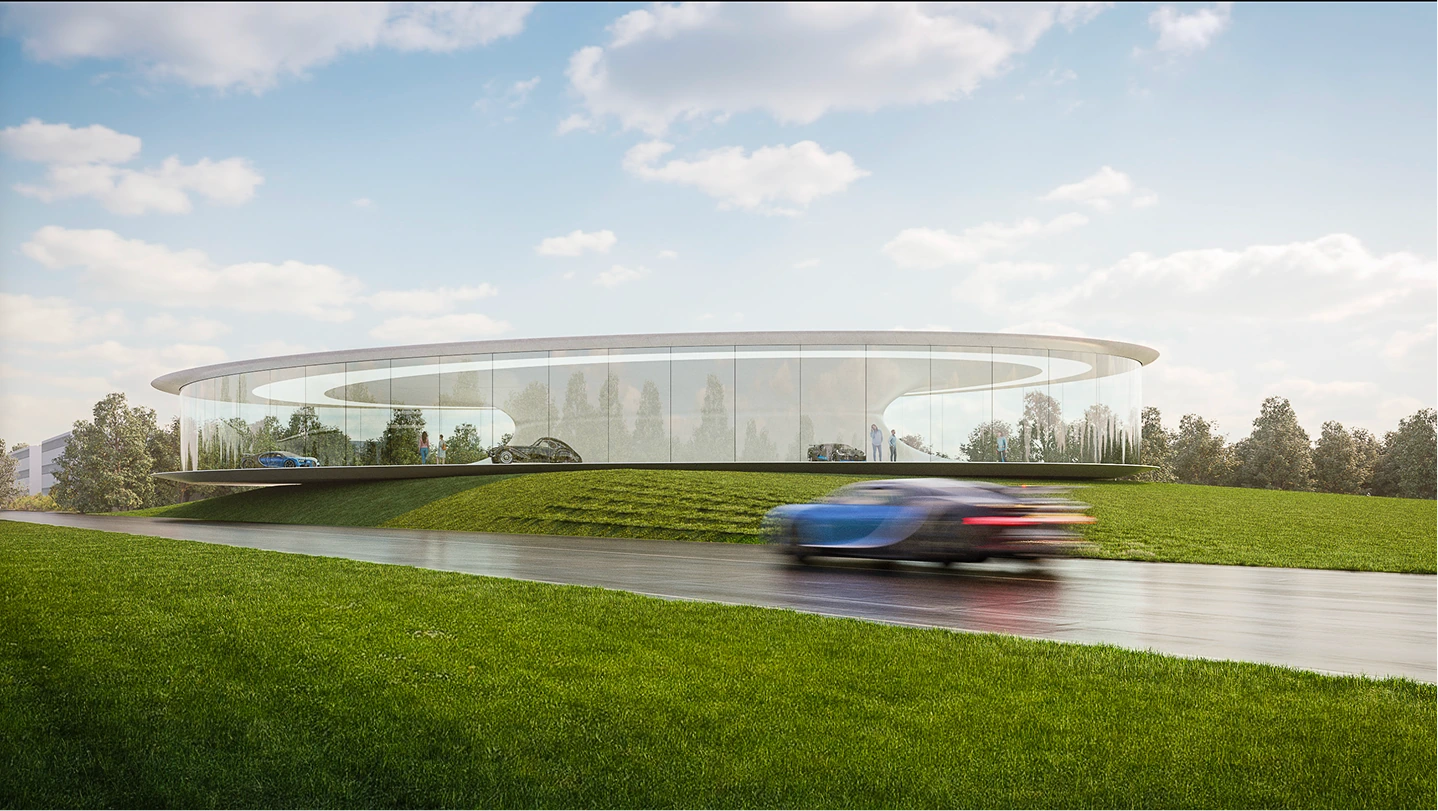
Bugatti Museum
Design proposal for a Bugatti museum. I led the design.
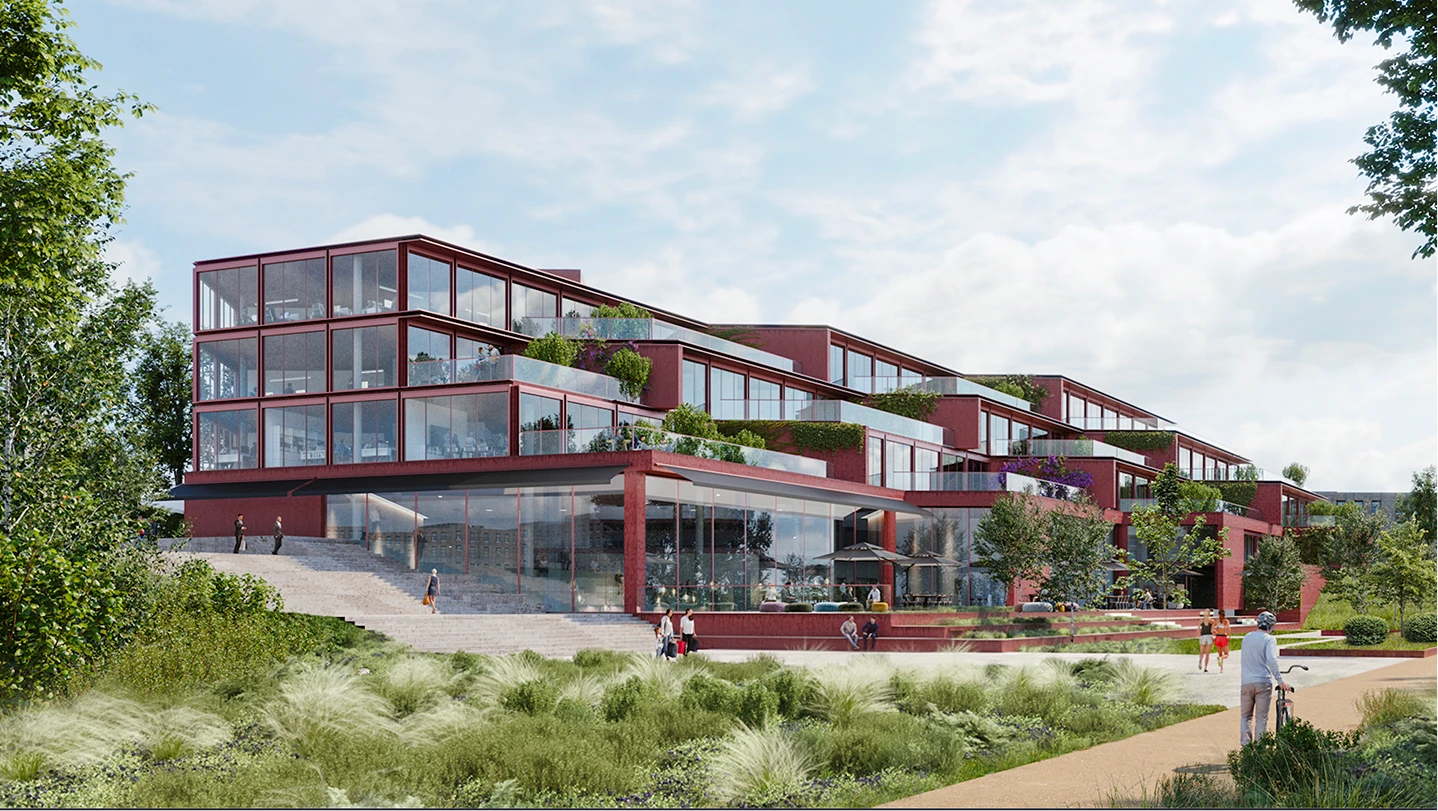
Hypoport HQ, Lübeck
Competition for a new corporate headquarters campus, organized by Hypoport SE with the city of Lübeck. I led the design.
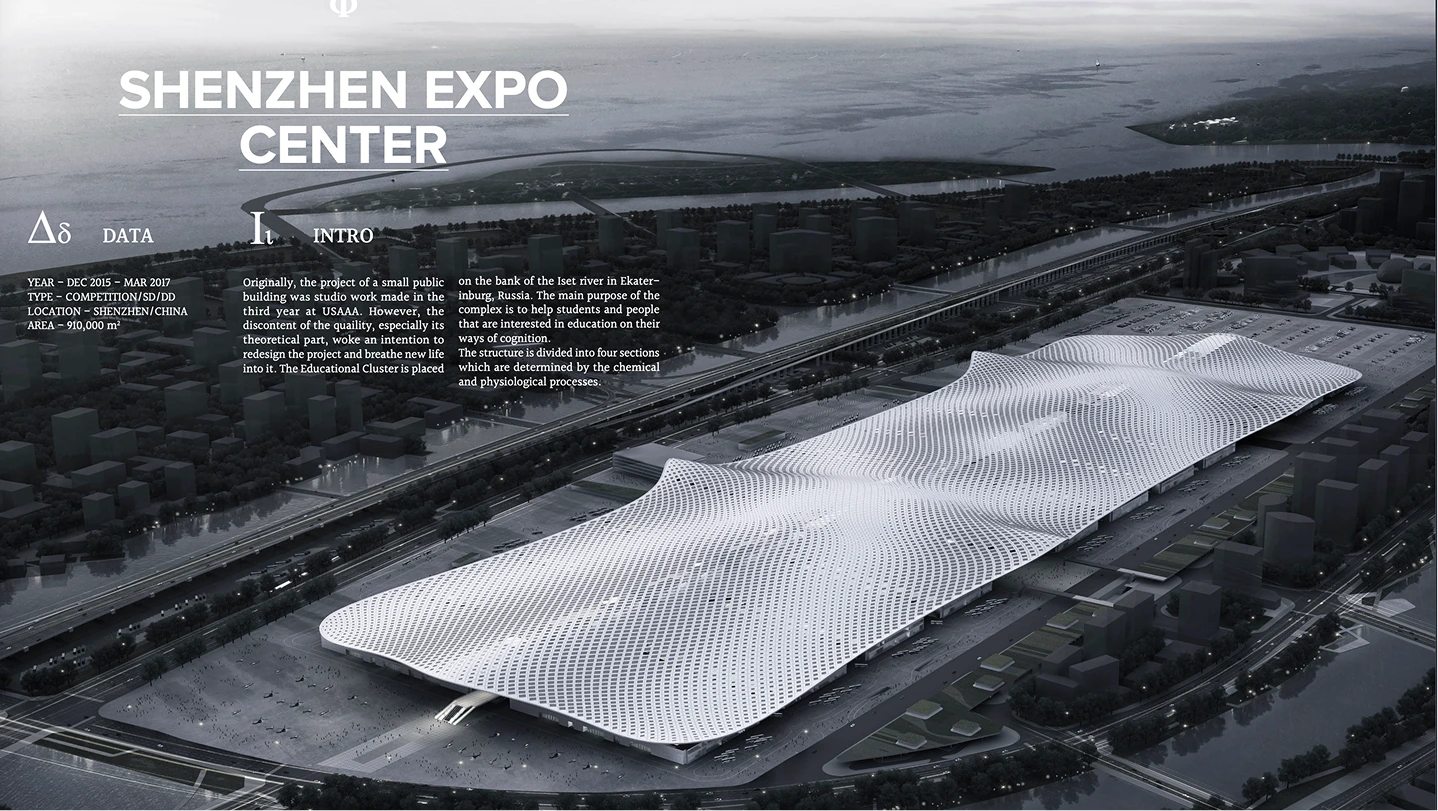
Shenzhen International Expo Center
From competition to schematic design. I worked on the overall design, concept diagrams, 3D and the presentation. Built.
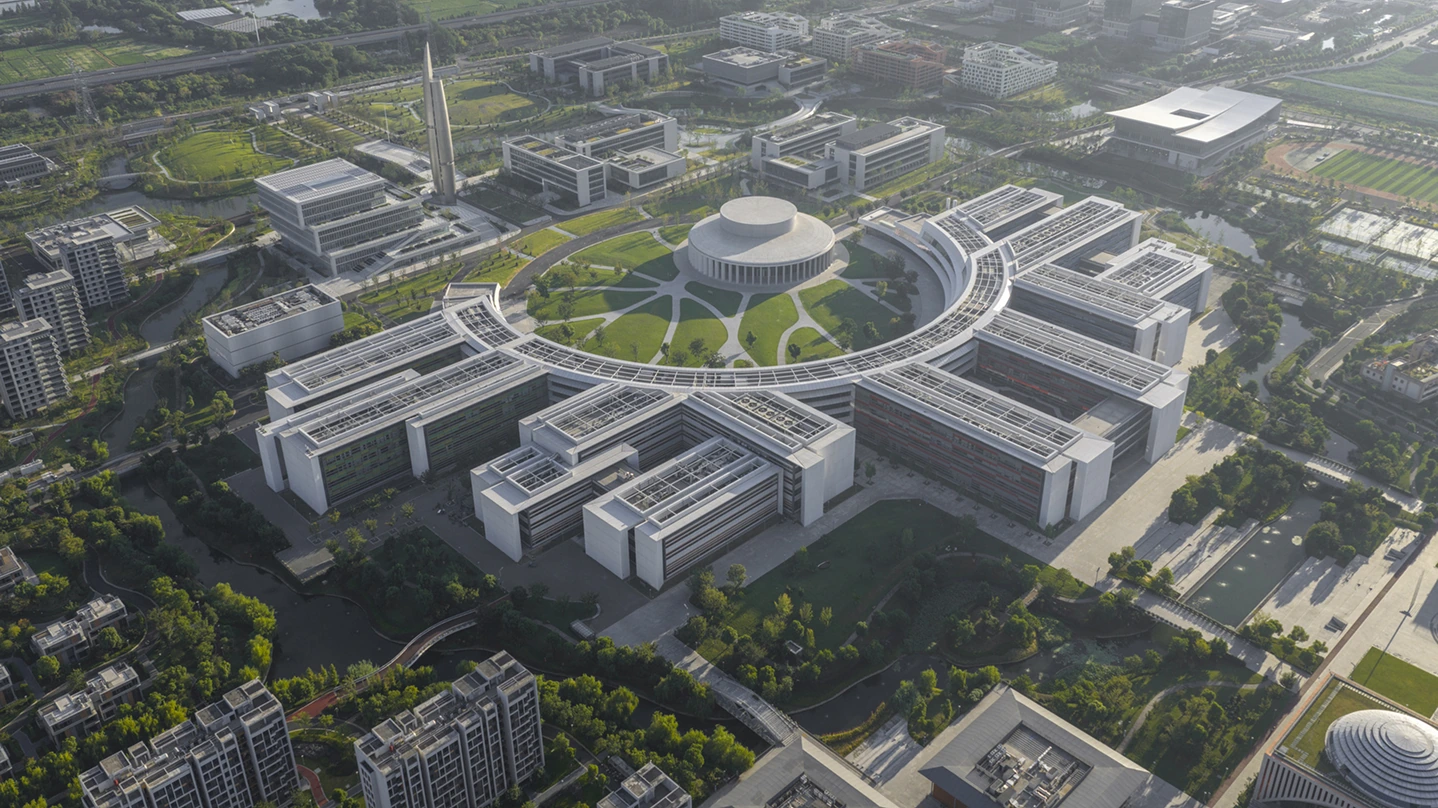
Westlake University, Hangzhou
A new 910,000 m² research university. I worked on the overall and facade design of several school buildings, with 3D and animation. Completed 2025.
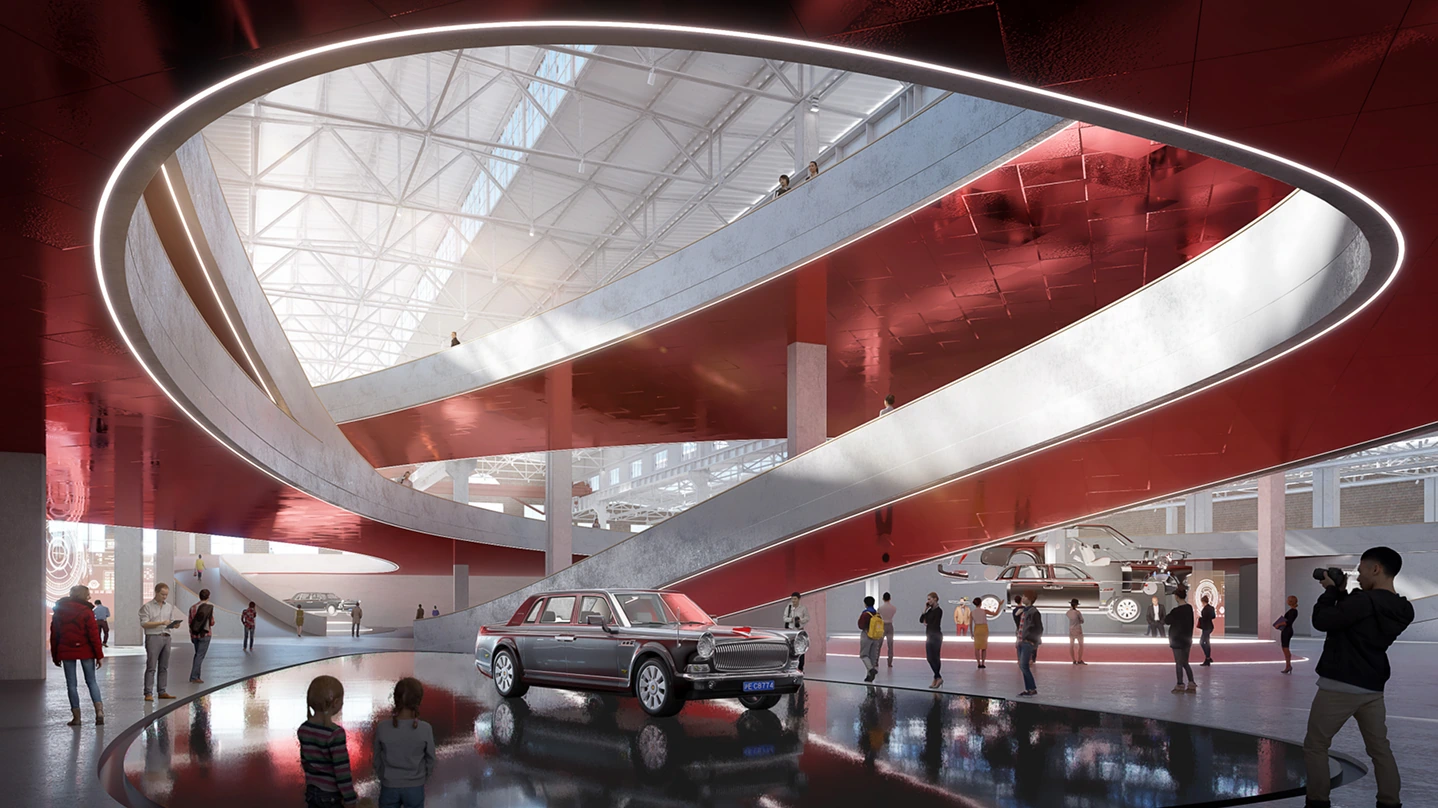
Hongqi Museum
Design studies and 3D visuals for a museum proposal.
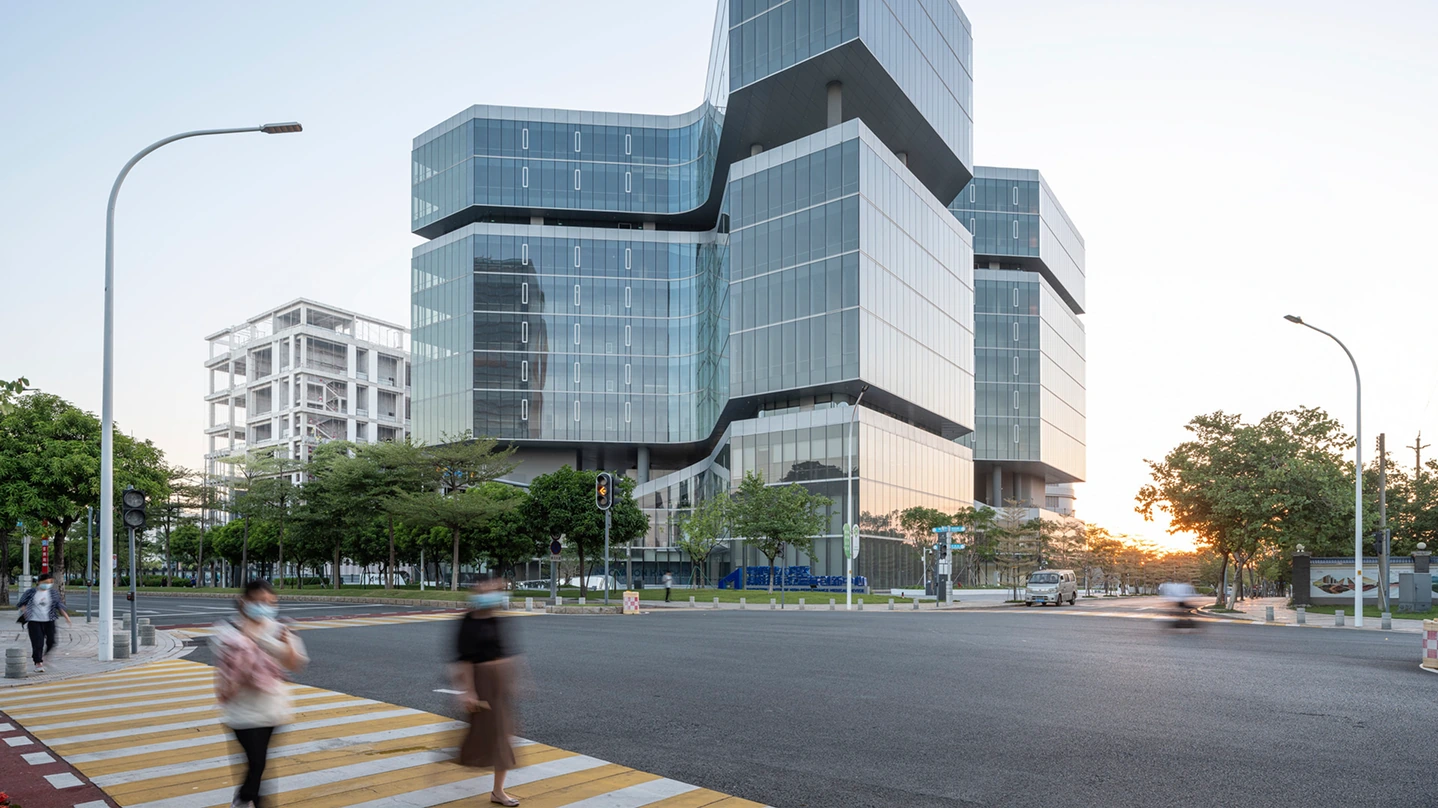
Medprin Lab
Design proposal for a lab building. I designed the facade. Built.
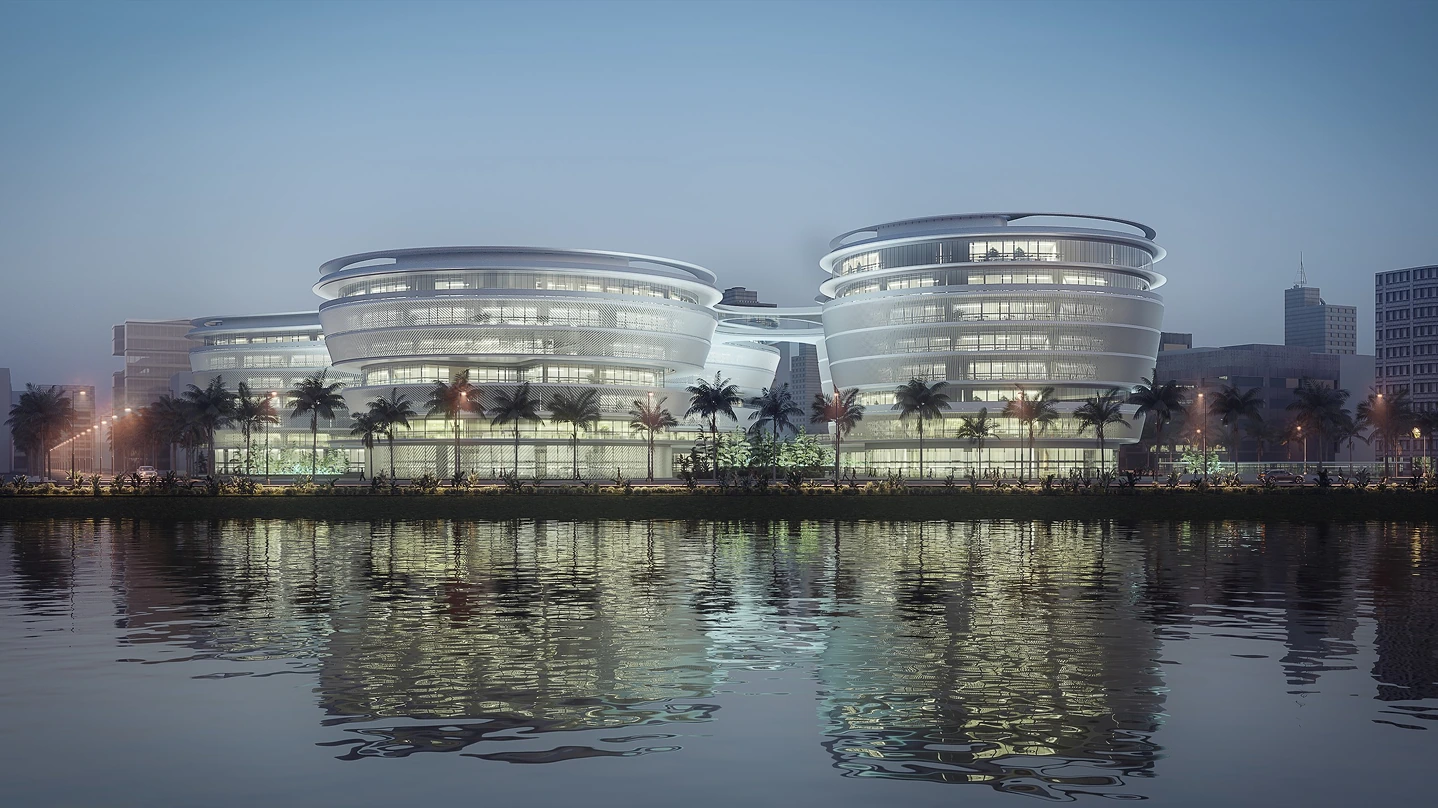
Biocell Lab
A biotech lab bound by biohazard, fire and workplace rules, meant to be an innovation center. The spatial composition follows cell division. Then the client saw Mickey Mouse in the floor plans, so we designed around that too. In construction.
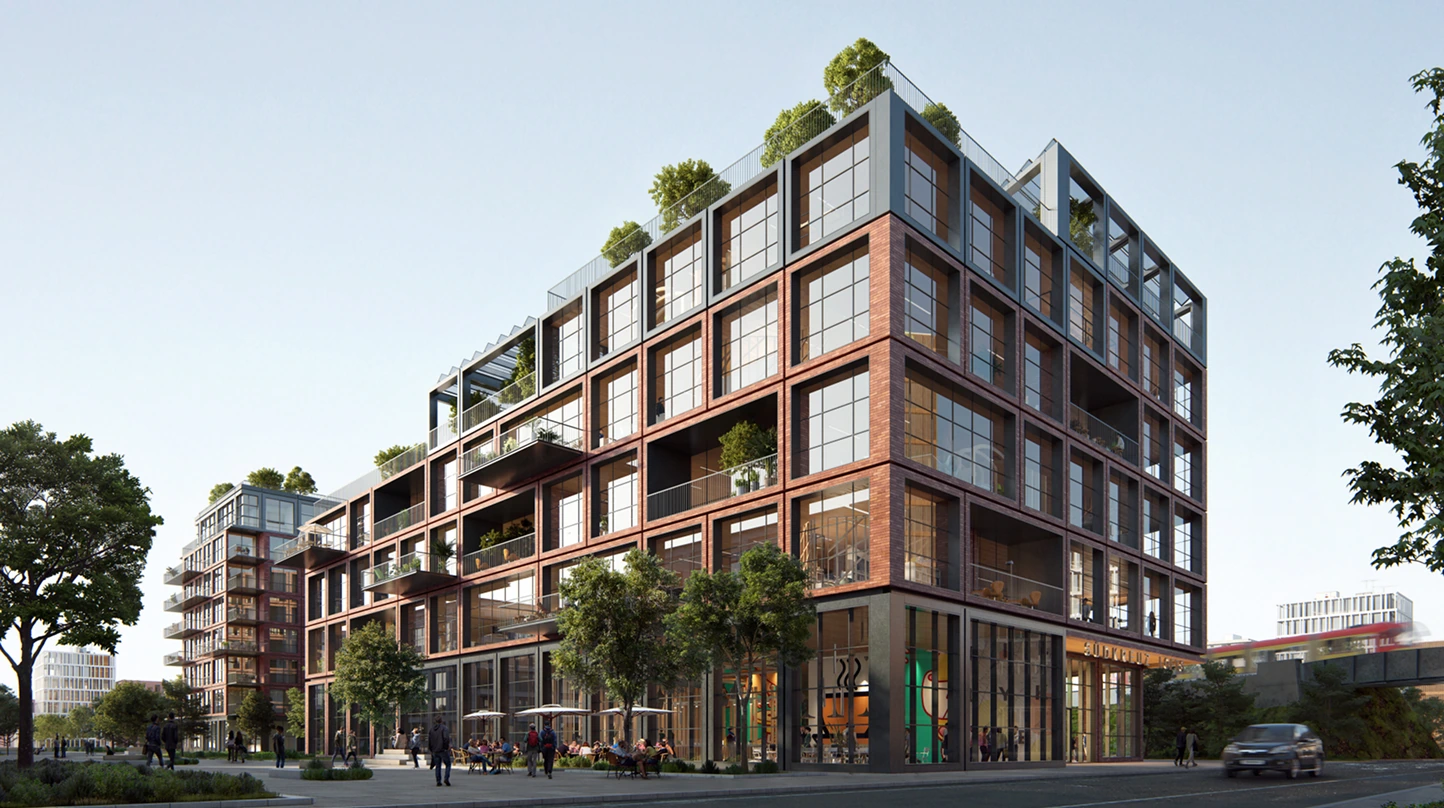
Hines Loft
Competition entry for Hines. I led the design.
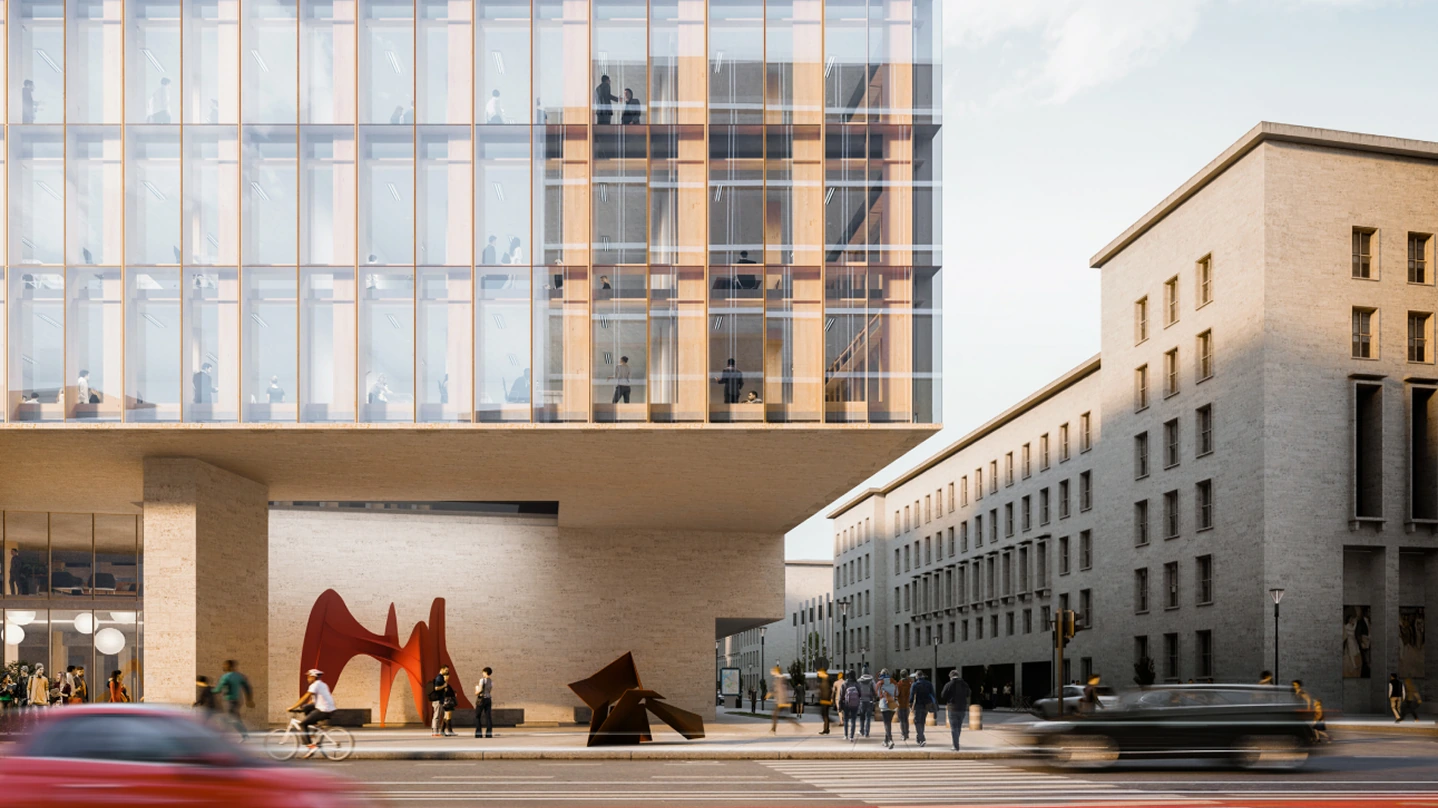
Federal Ministry of Finance, Berlin
Competition for the expansion of the German Federal Ministry of Finance in Berlin.
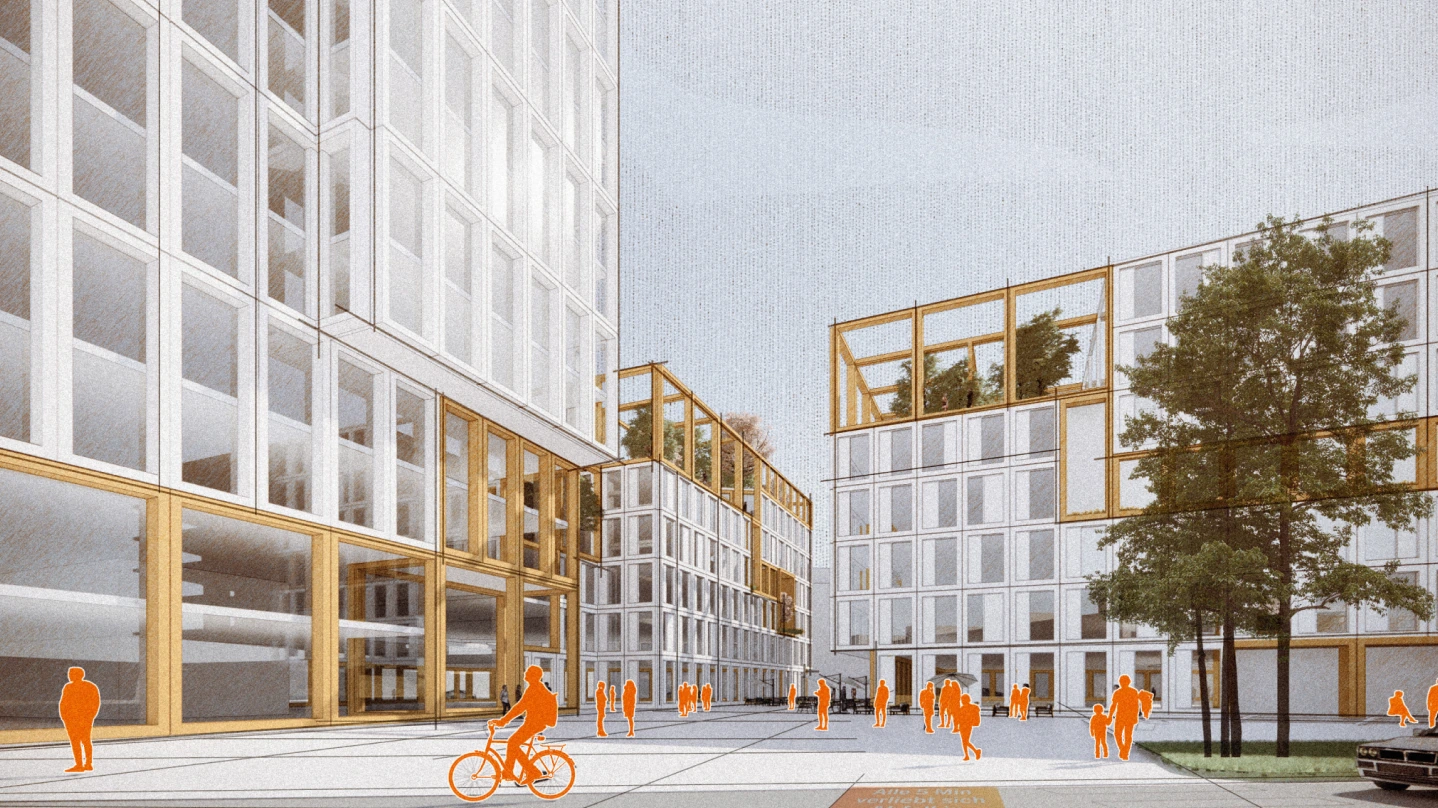
BSR HQ, Berlin
Competition for the new headquarters of Berlin's public waste management company at Südkreuz. I led the design.
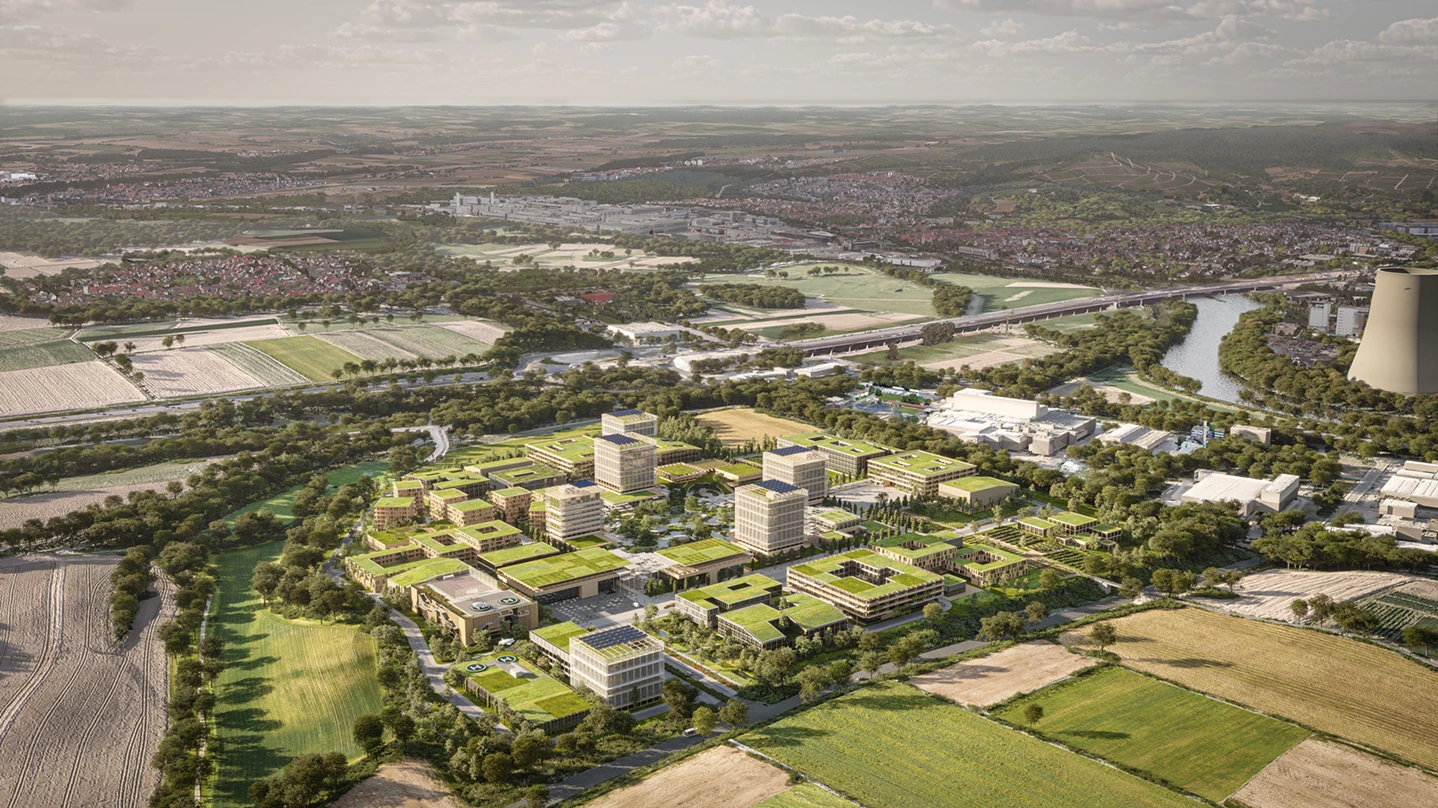
IPAI Campus, Heilbronn
Competition for a 250,000 m² AI research campus: four wood-hybrid office towers around a central water landscape. 2023.
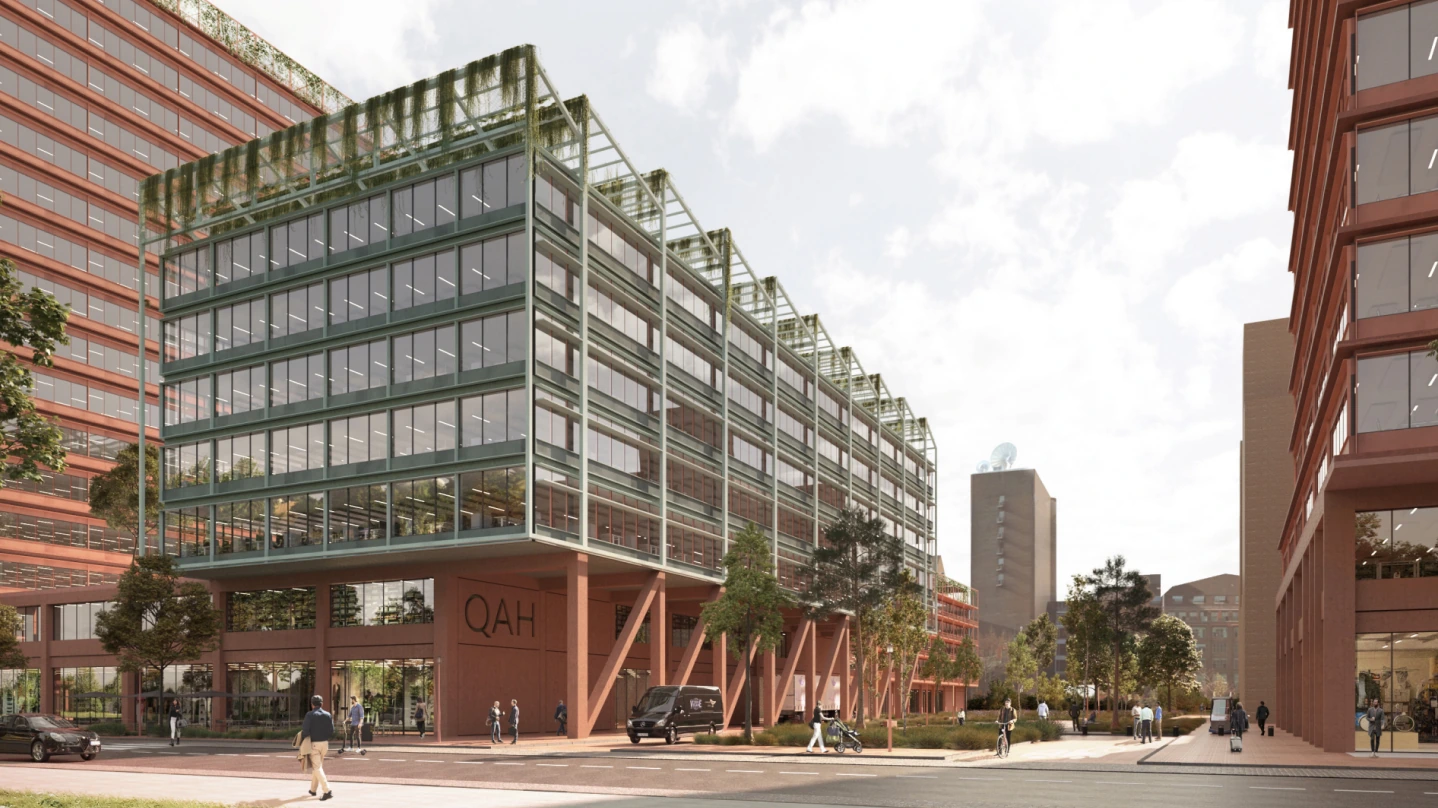
Humboldthain Masterplan, Berlin
Two-stage urban planning competition for the Quartier Am Humboldthain, next to the historic AEG buildings. 21 offices invited.
2 of 13: Bugatti Museum
Why a product designer shows drawings from art school
Years of drawing and hundreds of hours of looking at what is actually there instead of what I assume is there taught me clarity, proportion and light.
That is the same judgment used for designing interfaces.
1 of 6: David, 2010
Web design (2020 to 2025)
Web design started as a side project. I built a blog, enjoyed building on the web, and kept going alongside the architecture job. CSS, HTML, JavaScript, Webflow. A visual way to build.
The blog taught me more than the client work did. My posts about Notion ranked well in Google.
So I productized the productivity system I had built for myself. Life OS made about $20,000.
And it wasn't a template. It was a small product: a real problem, specific users with specific pains, a UX flow, a UI, and a distribution channel I owned.
I designed and built more than a dozen sites for clients and for myself. But web design and growth is marketing the value a product offers. I wanted to create that value.
Web design spread: Web design, First principles
Product design (2025 to now)
Prezi gave me what freelance never could: a product used by millions, and the discipline of design, A/B test, release. I designed the core UX of the new AI product and its monetization surfaces, and I shipped code: UI polish, the design system, the new blog.
One Who Learns gave me what Prezi never could: pace, owning the decisions, building from scratch, and the engineering side of shipping. A web app and an iOS app on the App Store, built with a team of AI agents.
I am strongest on products I use myself. When I dogfood a product, the ideas come easy.
I build in public. The whole process of shipping my apps is on TikTok and Instagram.
If you want to see how I actually work, that is one place.