One Who Learns
I was learning German for my B1 exam and I found a lot of issues with existing tools: textbooks had structure but no practice, drill apps had reps but no system, rote-memorization flashcards were ineffective. So I built a platform that addresses these problems and also integrates AI into your learning experience.
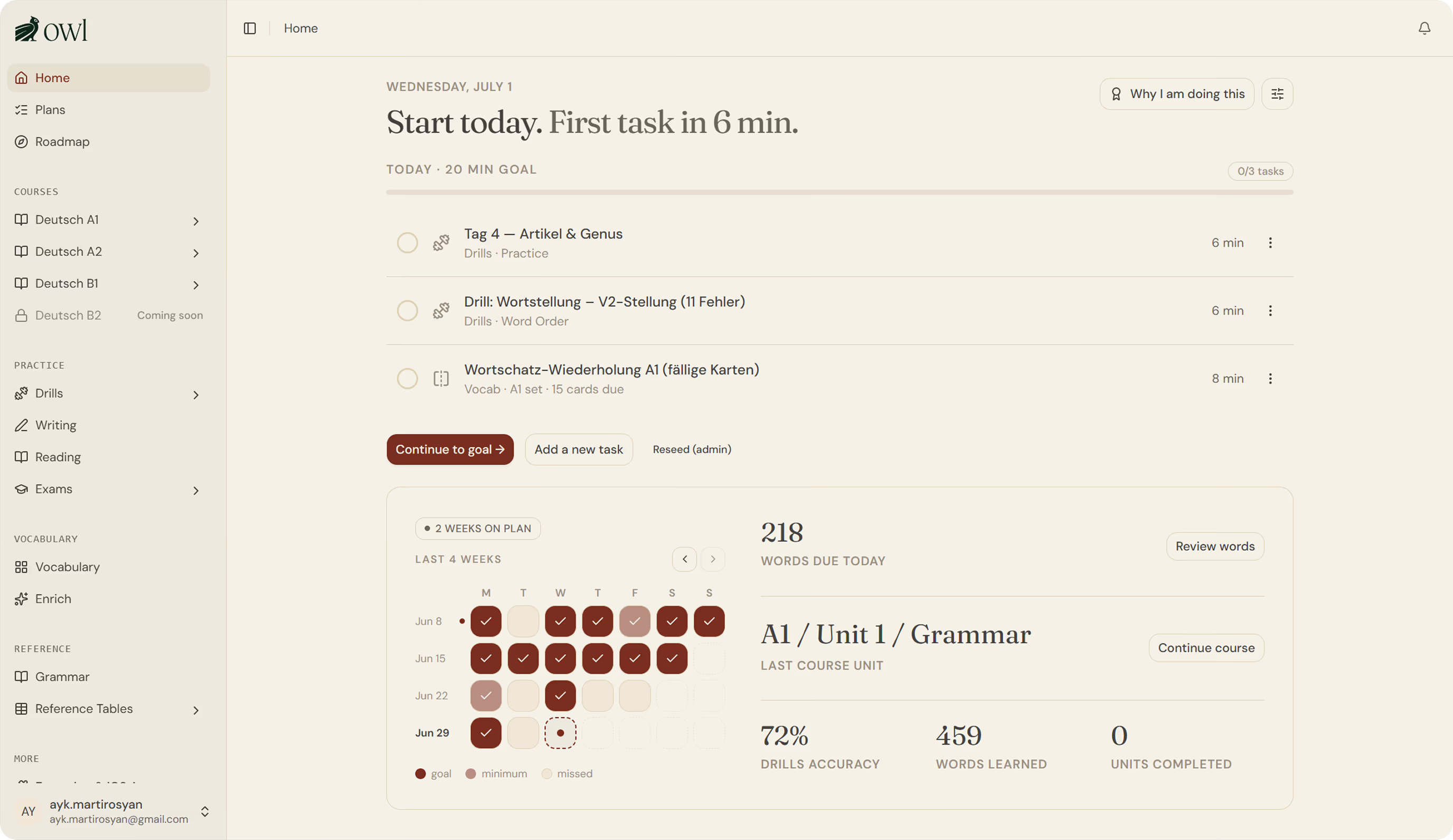
Project overview
One Who Learns is a complete learning system for serious adult learners. The primary user needs German A1 to B1 for a real reason, a visa, citizenship, or integration: high urgency, a clear measurable outcome, and real willingness to put in the work. The product replaces the usual combination of a textbook plus three apps with one path. It is also an answer to apps like Duolingo that optimize for engagement metrics instead of the skills the learner actually needs.
I am a solo founder and I've been working on every part of the project: the problem definition, the research, the visual design, building the AI harness and orchestrating models to build the apps, publishing the iOS app, and the growth. AI assists me through every step of the work.
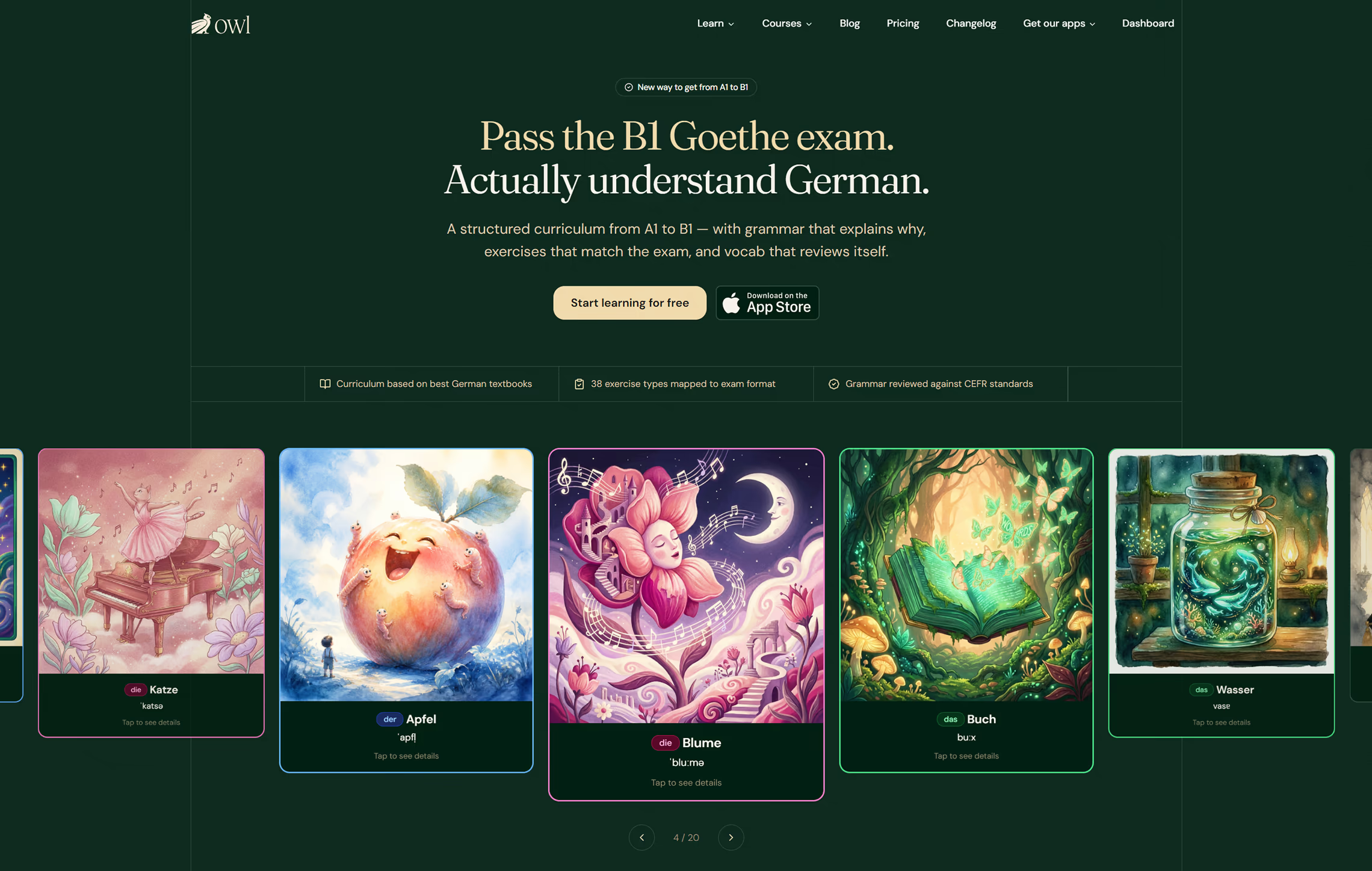
The problem
They teach grammar and then leave you to find your own reps. No feedback loop, no native audio, exercises written decades ago.
Isolated drills and streaks, but no coherent path from where you are to a B1 pass. You can spend months and not move toward the actual goal.
Every learner has different gaps, but a static curriculum treats them all the same.
What I designed and shipped with AI
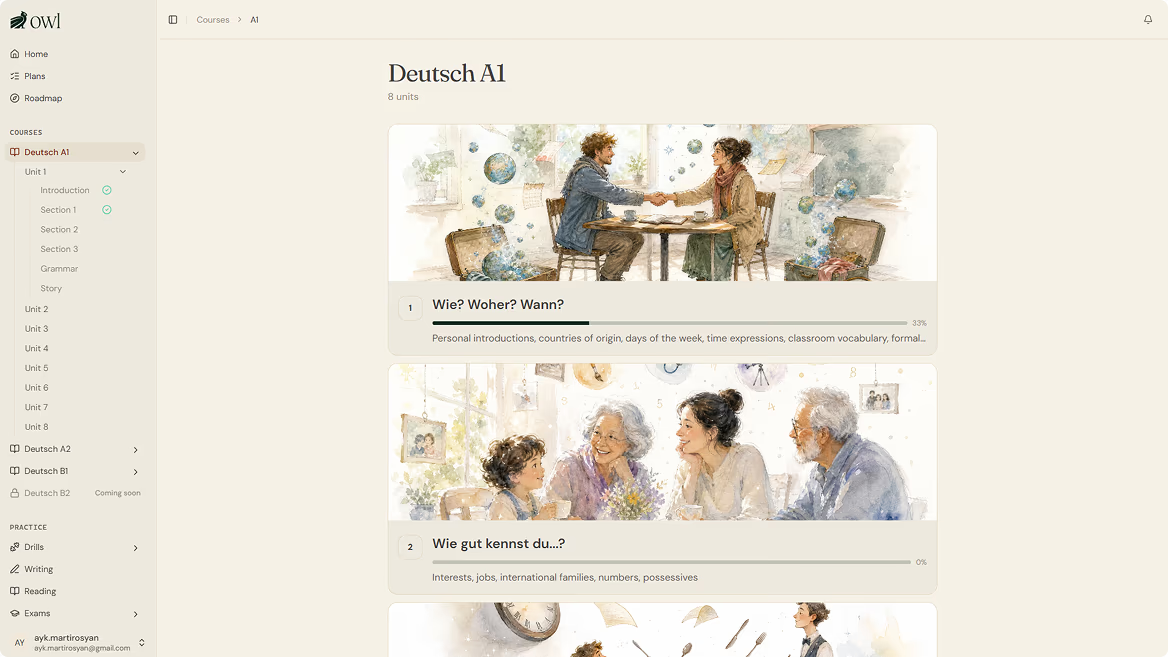
A structured path from A1 to B1
Instead of scattered content, I designed a single systematic path through vocabulary, grammar, and practice, structured by CEFR level. The learner always knows where they are and what is next.
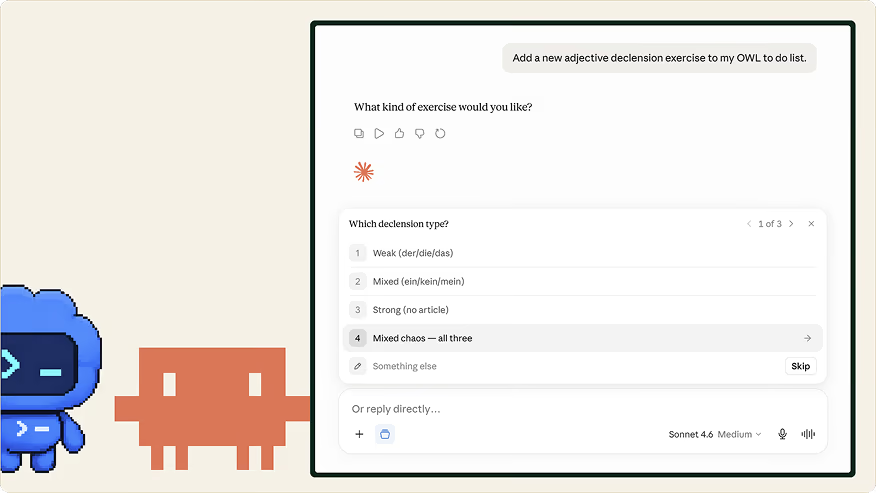
Integrated AI-assistant
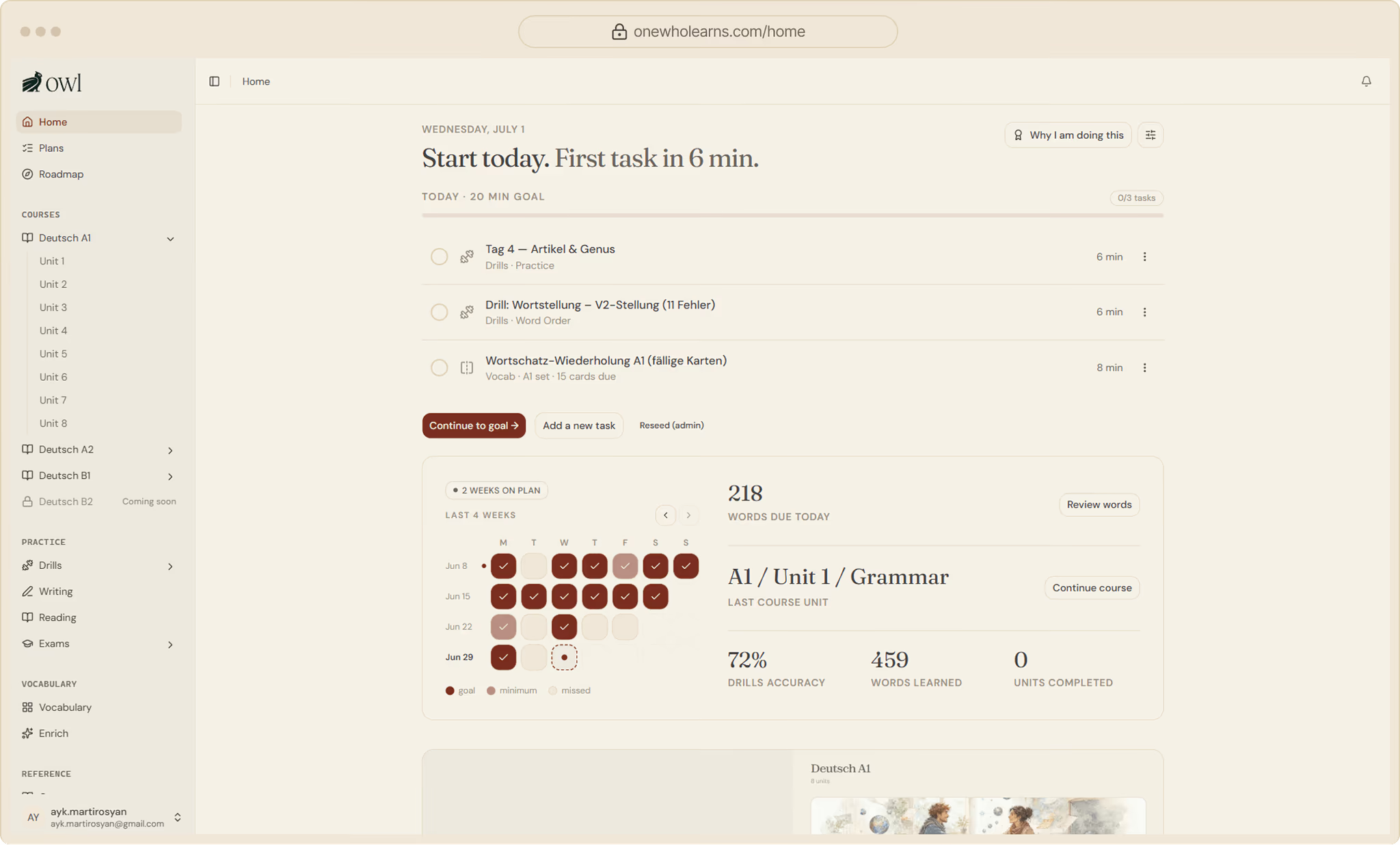
The integration I’m proudest of. Learners connect their own AI assistant that can generate fresh drills, manage their weekly plan, and review performance from past mistakes. The product provides the infrastructure; the user brings their own AI.
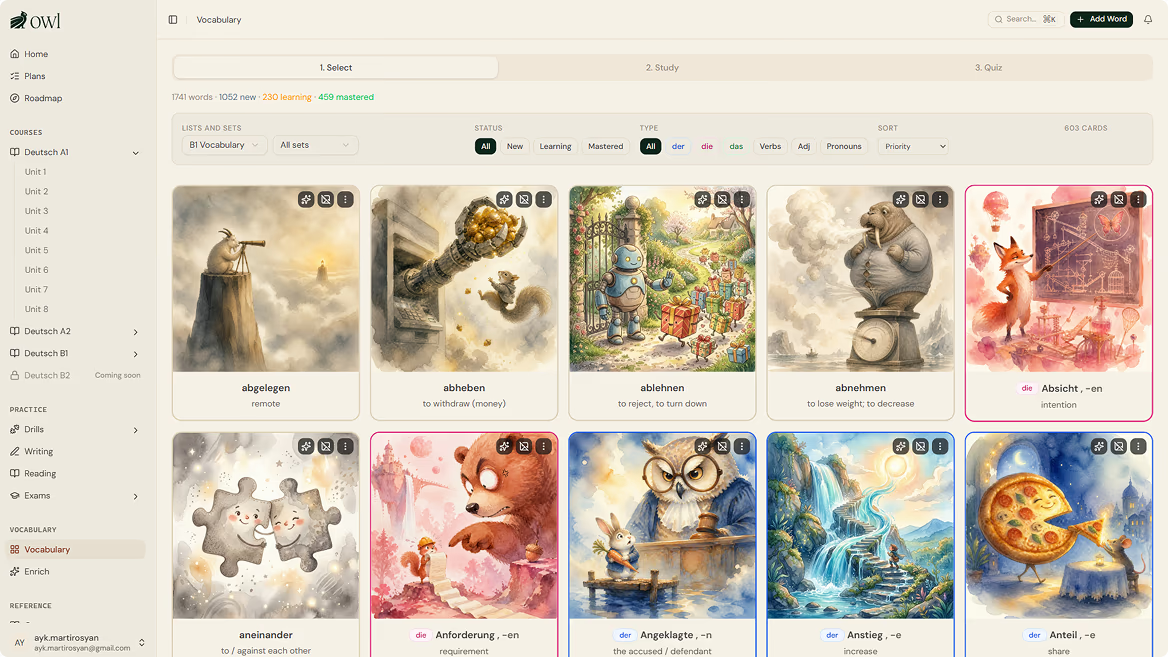
Memory-palace-inspired flashcards
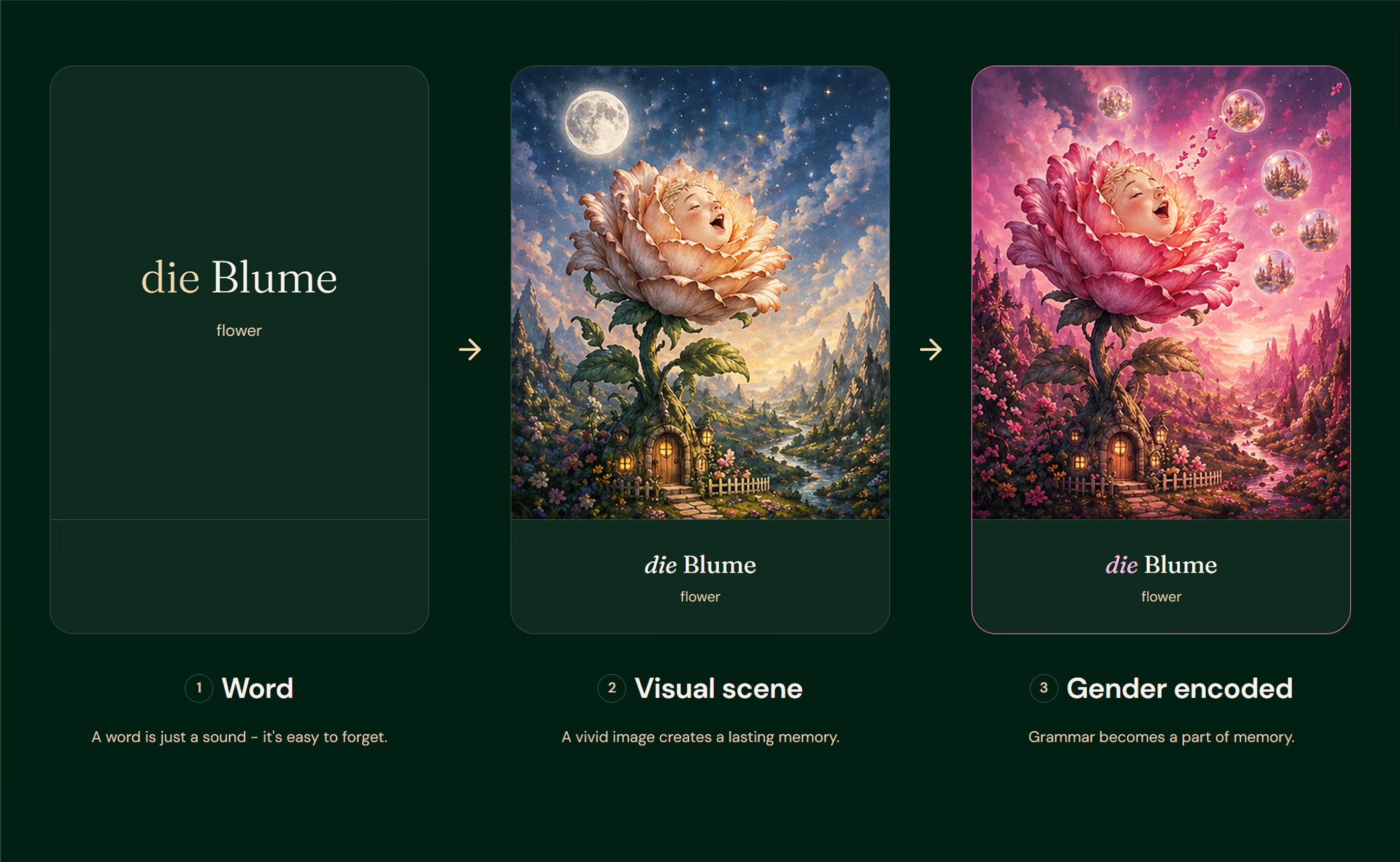
To fix the retention problem, I designed flashcards that turn each word into a visual scene, inspired by the memory-palace technique, so meaning attaches to an image instead of a translation. Scenes are AI-generated and organized by level.
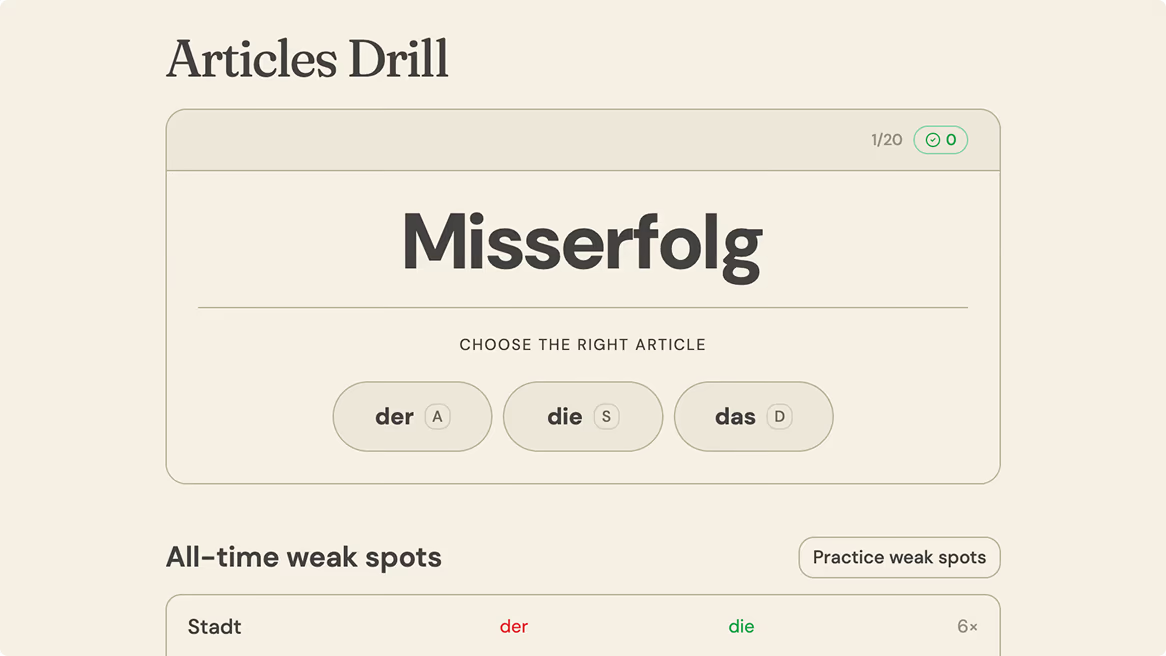
Grammar drills that make the language instinctual
We speak our mother tongue fluently and without thinking because we built the neural highways over the years. Grammar drills, from articles to verb conjugation, help to build those highways.
Web and native iOS
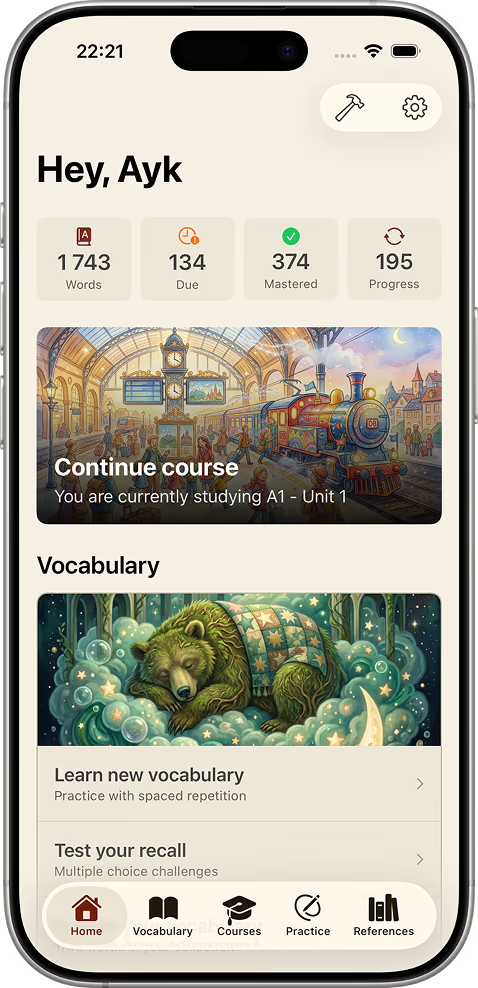
Learners move between phone and desktop, so I shipped a responsive web app and a native iOS app. I designed both, built the AI harness that produced the code, and carried the iOS app through review to the App Store.
Design approach
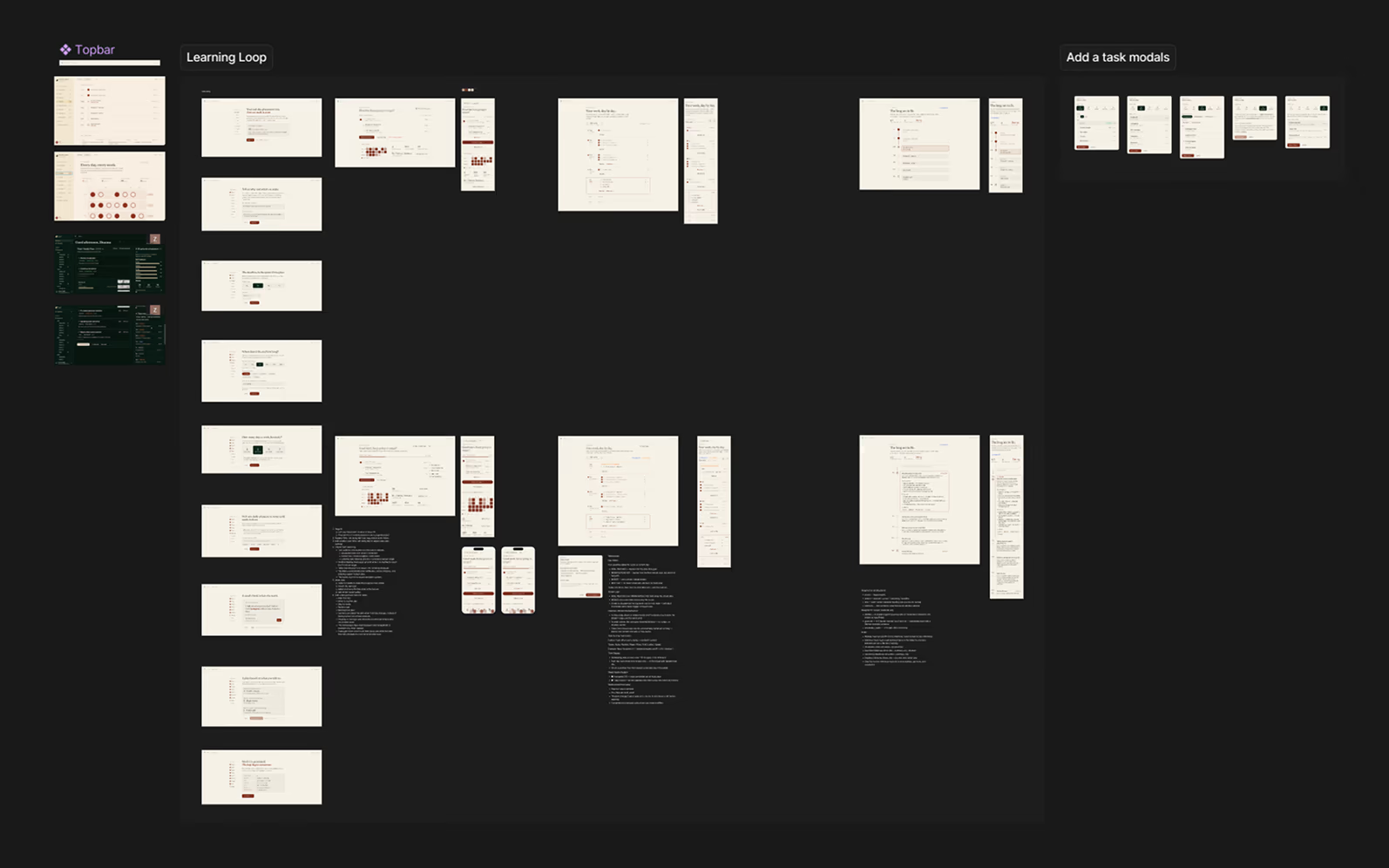
I've used a few approaches for design.
- Brainstorm → Brief → Implementation → Adjustments
- Brainstorm → Claude Design → I design in Figma → Brief → Implementation
- Brainstorm → I design in Figma → Brief → Implementation
Growth built into the product
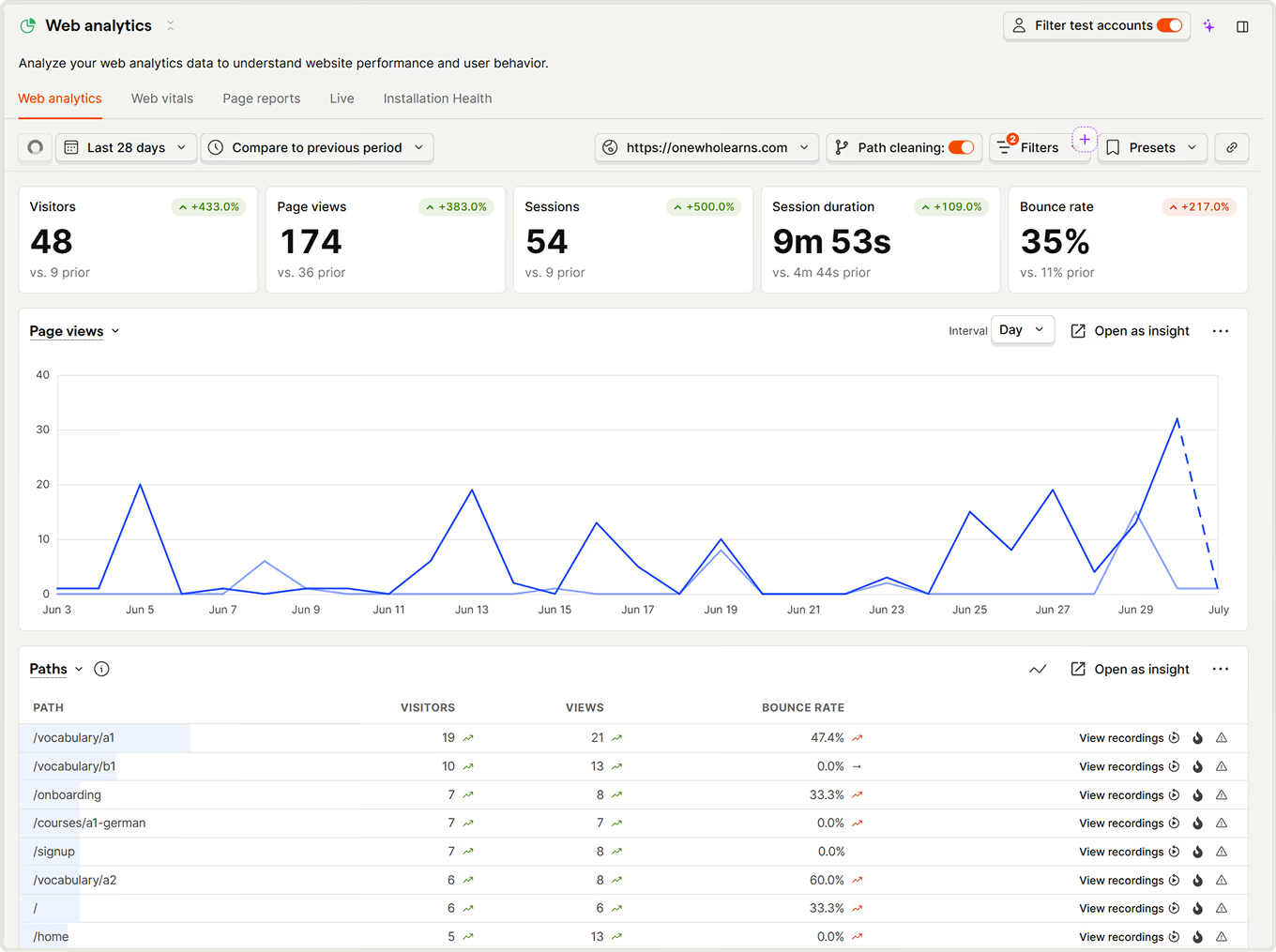
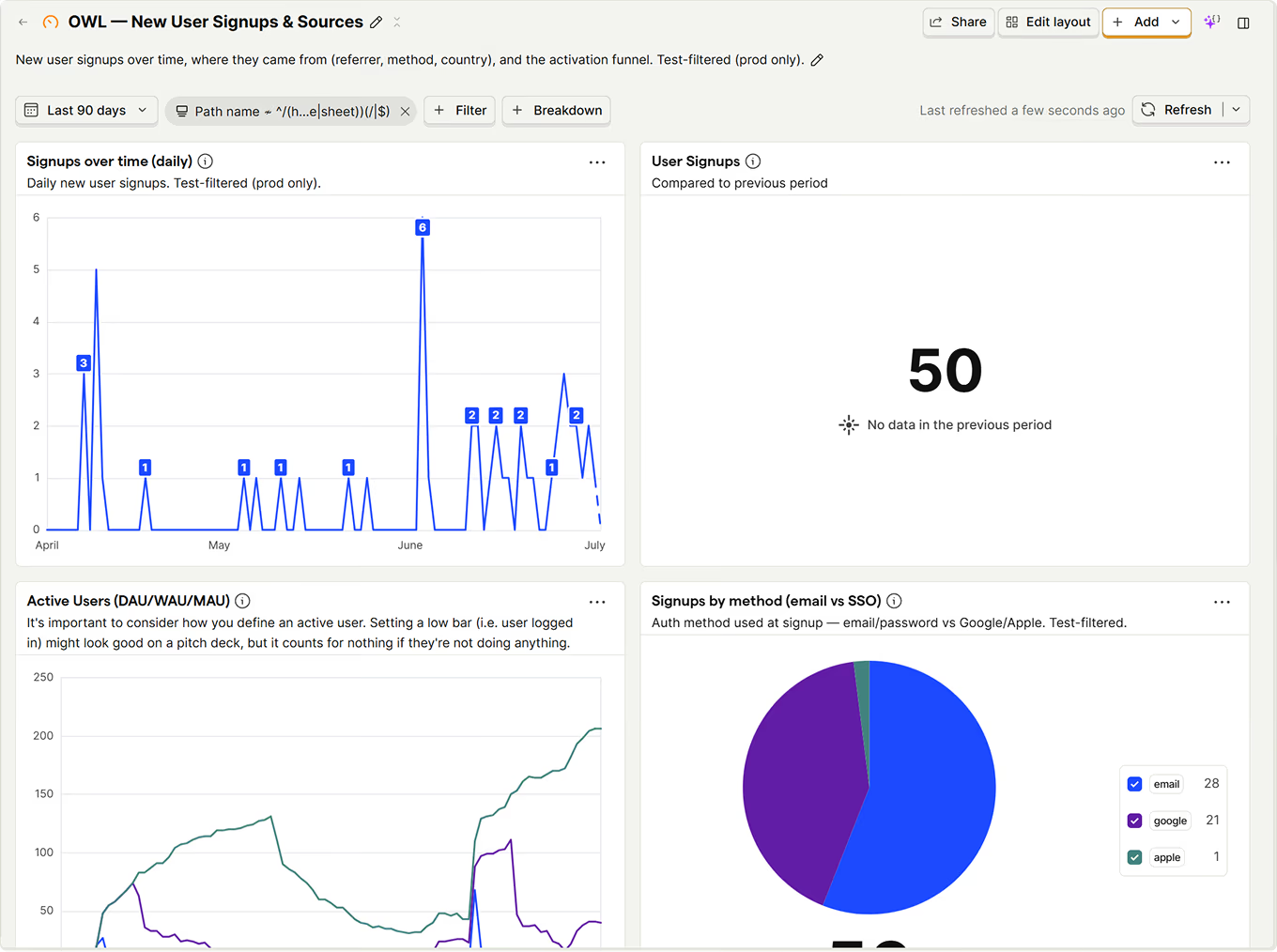
Distribution decides whether a product gets used. I built organic SEO and social growth into the product, both AI-assisted. Traffic and signups have grown steadily since launch.
Outcome
Shipped a multi-platform product as a solo founder: a responsive web app and a native iOS app, approved by Apple and live on the App Store.
Traffic and signups have grown month over month since launch, on organic SEO and social alone.
Everything here, from the problem definition to the App Store release, was designed and built by one person working with AI at every step.